

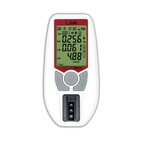
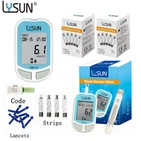

Hemoglobin analyzers are revolutionary devices that have transformed healthcare by simplifying diagnosis and treatment of anemia. Hemoglobin is an essential protein found in red blood cells that carries oxygen from the lungs to the rest of the body. Anemia occurs when the body doesn't produce enough red blood cells or hemoglobin, leading to fatigue, weakness, and other health problems. Hemoglobin analyzers measure the concentration of hemoglobin in the blood to diagnose and manage anemia.
Hemoglobin analyzers offer several advantages over traditional methods of measuring hemoglobin. One major advantage is speed. Hemoglobin analyzers can produce accurate results in just a few seconds compared to older methods that may take minutes or even hours. The ease of use is another benefit of these devices. Hemoglobin analyzers are simple to operate and require minimal training, which makes them ideal for point-of-care testing in remote locations or resource-limited settings.
Accuracy is another advantage of hemoglobin analyzers. These devices use advanced technologies such as photometry and chromogenic assays to measure hemoglobin accurately, eliminating the variability seen with manual methods. By providing precise results, they help healthcare workers make more informed decisions regarding patient care and treatment.
In summary, hemoglobin analyzers have revolutionized the diagnosis and management of anemia. They are fast, easy to use, and accurate, making them invaluable tools for healthcare workers around the world. These devices have helped save countless lives by facilitating early diagnosis and treatment of anemia. As technology continues to improve, hemoglobin analyzers are likely to become even more important in the years to come.