

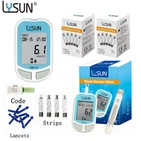

Fingertip blood sample collection has become increasingly popular due to its convenience and quick results. This method involves pricking a finger with a lancet to obtain a small amount of blood. However, to ensure accurate results and avoid any complications, there are some important considerations to keep in mind.
First and foremost, it is essential to ensure that the lancet is sterile before use. This can be achieved by using a new lancet for each use or by properly sanitizing and disinfecting a reusable lancet. Failing to sanitize the lancet can increase the risk of infection and compromise the accuracy of the results.
It is also important to avoid applying too much pressure when pricking the finger. Excessive pressure can cause tissue damage and result in inaccurate readings. To alleviate this, one should firmly press the finger against a hard surface and gently prick the side of the fingertip, instead of the center, where nerve endings are more concentrated.
Additionally, proper storage and handling of the blood sample are crucial to ensure accurate results. The collected sample must be kept at room temperature to avoid coagulation or clumping. It is advisable to transfer the sample to a clean, dry tube or container for further analysis. The sample should not be shaken or agitated as this can affect the integrity of the blood cells.
Finally, it is crucial to ensure that the patient's fingertip is clean and free of oils or dirt. This can be achieved by using an alcohol swab to clean the fingertip before pricking. It is recommended to avoid using hand sanitizers or any lotion as they can leave a residue on the skin and affect the accuracy of the results.
In conclusion, fingertip blood sample collection can provide quick and convenient results if proper precautions are taken. Sterilizing the lancet, avoiding excessive pressure, proper storage, and handling of the blood sample, and ensuring a clean fingertip can all contribute to better accuracy. With these considerations in mind, fingertip blood sample collection can be a safe and reliable method for diagnosing various diseases and monitoring glucose levels in diabetic patients.