

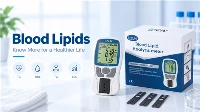

Surprisingly, surprisingly, and quite annoyingly, it is estimated that nearly half of all glycemic monitoring devices do not meet the minimum accuracy standards. For those who rely on these devices to run their blood glucose tests on a regular basis, this truth is uneasy to say the least. The blood glucose test measures the amount of glucose in the blood, and the results of that test are also used to measure insulin doses and to plan diet and exercise. Accuracy is essential, especially for those who fluctuate frequently outside of normal fasting blood glucose levels, or who regularly experience very low or very high blood glucose levels. Although it is important to consider the monitoring device itself from an accuracy standpoint, the blood glucose test strips used by monitors, which are the real cause of accuracy issues, are often completely overlooked.
These small strips, which are fed to or read by the surveillance device, are treated with glucose-reactive chemicals in the blood. From the best blood glucose monitors on the market to small portable bargain devices, blood glucose test strips provide a means for transferring blood samples to the device and ultimately determine the amount of glucose held inside. increase. It may seem trivial, but its small test strips make the difference between accurate readings and readings that are up to 20% off very easily. Insulin administration can be very difficult and can lead to dangerous errors if the results obtained from the meter are used with unusual results.
There are many factors that can adversely affect the accuracy of the blood glucose test strip. Most of these are related to how most test strips are stored. Many (often 50 strips) are usually in vials that are stored together in a recloseable lidded container. Many of them have an expiration date. This package is convenient and you can easily buy blood glucose test strips in bulk, but the strips are exposed to different temperatures, altitudes and humidity. All of these factors can lead to inaccurate readings of blood glucose levels that exceed actual blood glucose levels, which can lead to inadequate treatment. These environmental effects that lead to inaccurate measurements of blood glucose levels above true levels can worsen over time.
There are other factors that may change the accuracy level of the blood glucose test strip that is relevant to the user, and the ability to use the strip and meter properly. Usability has been a selling point for many meters, but it is estimated that some may actually require more than 50 steps to actually use properly and obtain accurate measurements. increase. Each of these steps opens up an opportunity for error and thus an inaccurate representation of blood glucose levels. Do not wash your hands, do not enter the code correctly on the blood glucose test strip, test before the alcohol used to sterilize the test site dries, overdose vitamin C, test in the wrong place, enough If you don't use blood, you'll get all the inaccurate results.
There are several ways to counter some of these issues. For example, individually packaged blood glucose test strips can eliminate a variety of environmental issues that can lead to reading inaccuracies. It's more expensive, but less wasteful, and less likely to cause the strip to become old, contaminated, or otherwise endangered. In addition, meters that automatically encode the strips used can eliminate errors and misreading. These meters are usually more expensive than the manual model, but can be significantly better than the less advanced ones.
Blood glucose test strips and meters that read them are used to determine how far a diabetic's blood glucose is from normal blood glucose. This information is important because if the reading exceeds an acceptable blood glucose level, insulin or other intervention may be needed.
In more severe cases, signs of type 2 diabetes complications such as hypoglycemia and hypoglycemia can also be identified using test strips associated with monitoring devices. If a person's blood sugar level is too high or too low, serious complications can occur. For example, in the case of hypoglycemia or hypoglycemia, the neglected signs of type 2 diabetes complications can lead to serious health risks, including diabetic coma.
There are many reasons why accurate monitoring is important for proper care and management of diabetes. Unfortunately, manufacturers often make this important feature less important than portability or design. Therefore, it is the consumer's responsibility to ensure that the monitor and blood glucose test strip are as accurate as possible. This may be much less
