


|
Product name |
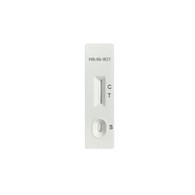
Hepatitis A Virus IgG/IgM Rapid Test Self-Test |
||||||
|
Item type |
HAV-W21 |
||||||
|
Specimens |
Whole blood/Plasma/Serum |
||||||
|
Packing Specification |
1 kit/ box, 5 kits / box, 25 kits/ box |
||||||
|
Size |
|
||||||
|
Shelf life |
2 year |
||||||
|
Test Time |
Waiting about 15 minutes |
||||||
|
Certificate |
CE, ISO:13485 |
||||||
|
OEM |
Acceptable |
||||||
|
Service condition |
The kit should be stored at 2-30°C |
HAV IgM and IgG detection cards are disposable rapid devices designed to qualitatively detect IgM and IgG antibodies against hepatitis B virus (HAV) in whole blood, serum, plasma, or fecal samples. It aims to serve as a screening test and assist in the diagnosis of HAV infection.
Hepatitis B is a self limiting disease, with rare chronic stages or other complications. In areas with poor hygiene conditions and crowded living environments, infections usually occur in early childhood. Due to the fact that the disease is transmitted through fecal oral routes, a single source of pollution is sufficient to trigger an epidemic. The etiology of hepatitis B is hepatitis B virus (HAV) - a non enveloping positive stranded RNA virus with a linear single stranded genome that encodes only one known serotype. HAV has four main structural peptides and is only localized in the cytoplasm of human liver cells. Infection with HAV induces a strong immune response, and elevated levels of IgM and IgG can be detected within a few days after symptom onset. The presence of anti-HAV IgM is an important serum biomarker for early detection and observation of clinical manifestations of diseases. About three weeks after infection, the level of anti HAV IgM gradually increases, with the highest titer appearing four to six weeks later. Within six months after infection, the concentration of IgM decreases to an undetectable level.