



What Are Blood Lipids?
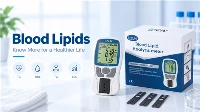
A blood lipid profile typically looks at several important measurements, including total cholesterol (TC), low-density lipoprotein cholesterol (LDL-C), high-density lipoprotein cholesterol (HDL-C), and triglycerides (TG).Total cholesterol (TC) represents the overall amount of cholesterol in the blood.LDL cholesterol (LDL-C) is often referred to as "bad" cholesterol. When LDL levels are elevated, cholesterol can accumulate in artery walls and contribute to the formation of atherosclerotic plaque.HDL cholesterol (HDL-C) is commonly known as "good" cholesterol because it helps transport cholesterol back to the liver.Triglycerides (TG) are another type of fat in the blood and serve as an important source of stored energy. Elevated triglycerides, particularly when combined with high LDL or low HDL, can be associated with increased cardiovascular risk.
Looking at these measurements together provides more useful information than focusing on a single number.
Why Can Abnormal Lipid Levels Go Unnoticed?
One of the challenges of dyslipidaemia is that it is often silent. Unlike conditions that cause noticeable pain or other immediate symptoms, abnormal cholesterol and triglyceride levels may not produce obvious warning signs.Lipid levels can be influenced by multiple factors, including diet, physical activity, body weight, smoking, age, genetics and certain health conditions. Diabetes, for example, can affect the balance between LDL and HDL cholesterol, while obesity is associated with higher triglycerides and LDL and lower HDL levels.
This is why blood testing plays an important role. Instead of relying on how a person feels, a lipid test provides measurable information that can be considered together with other cardiovascular risk factors.
From Testing to Better Health Management
A blood lipid test is not simply about obtaining a number. The results need to be interpreted in the context of a person's overall health, medical history and cardiovascular risk.
For people with abnormal lipid levels, healthcare professionals may recommend lifestyle changes such as a healthier diet, regular physical activity and smoking cessation. Depending on the individual's risk profile, lipid-lowering medication may also be considered.
Regular monitoring can also help healthcare professionals observe changes over time and assess whether management strategies are having the intended effect.
The Role of the LPM-102 Blood Lipid Analysis System
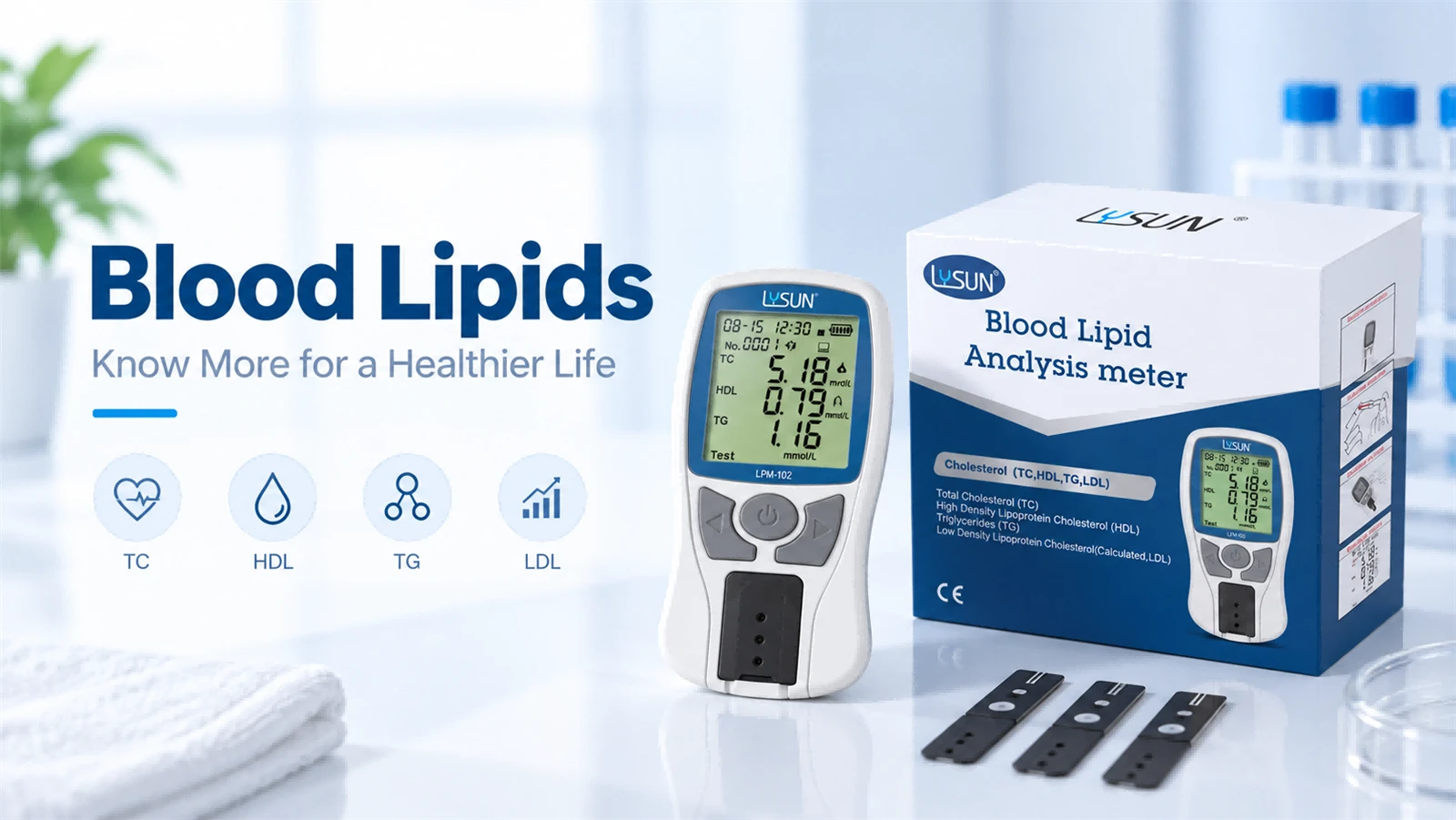
For settings where convenient quantitative blood lipid testing is needed, the LPM-102 Blood Lipid Analysis System provides a compact testing solution.According to the product manual, the system is intended for the quantitative determination of Total Cholesterol (TC), HDL Cholesterol, and Triglycerides (TG), while LDL cholesterol and the TC/HDL ratio can be calculated by the system. It can work with capillary blood, venous whole blood, plasma and serum.The system uses a photochemical measurement principle. After the specimen is applied to the appropriate test strip, a reaction produces a color change. The analyzer measures the intensity of the color at a wavelength of 620 nm, and the concentration is calculated from the optical response.
Depending on the test strip configuration, the system can provide results for different lipid parameters. With the LPS-101 strip, for example, TC, HDL and TG are measured and LDL and the TC/HDL ratio are calculated by the analyzer.
The meter can store up to 500 test results, supporting convenient record keeping for repeated testing. The manual specifies a testing operating range of 10–35°C with relative humidity of ≤80%.
Understanding Your Lipid Profile Starts with Testing
Blood lipid levels can change without producing noticeable symptoms. That makes appropriate testing an important part of identifying abnormal lipid levels and supporting cardiovascular risk management.
A lipid test does not replace professional medical assessment, but it provides objective information that can help healthcare professionals understand a person's lipid profile and make informed decisions about follow-up and management.