

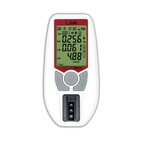


Creatinine analyzer, also known as creatinine meter, is a device used in medical laboratories to measure the concentration of creatinine in a patient's blood sample. Creatinine is a waste product produced by muscle metabolism and filtered out of the body by the kidneys. The creatinine level in the blood indicates the proper functioning of the kidneys.
One of the main advantages of the creatinine analyzer is its accuracy. It provides accurate and precise results, which are important for diagnosing and monitoring kidney disease. It is also a reliable tool for regular testing of patients with chronic kidney disease or those undergoing dialysis.
The creatinine analyzer is easy to use and requires minimal training, making it convenient for healthcare professionals. It also provides quick results, which is particularly important in emergency situations.
Another benefit of the creatinine analyzer is its ability to analyze a wide range of samples, including serum, plasma, urine, and even whole blood. This allows healthcare professionals to determine the creatinine level in patients with various medical conditions.
The creatinine analyzer is also cost-effective, as it eliminates the need for expensive, time-consuming, and labor-intensive manual testing methods. It also reduces the likelihood of error associated with manual testing, thereby improving the accuracy of test results.
Moreover, the creatinine analyzer is a versatile device that can be used for both research and clinical purposes. It can provide physicians and researchers with valuable information to better understand kidney function and develop treatments for kidney diseases.
In conclusion, the creatinine analyzer is an essential tool for diagnosing and monitoring kidney diseases, and its accuracy, ease of use, versatility, and cost-effectiveness make it a valuable asset for healthcare professionals.