


Chronic kidney disease also known as chronic kidney failure, referring to a gradual loss of kidney function. The kidney filters waste and excess fluid from the blood, which are then excreted from the body through urine.
In your daily life, you should pay extra attention to your kidney safety when your body shows the following symptoms: Nausea, Vomiting, Urinating more or less, Large amounts of foam in the urine, Swelling of feet and ankles, High blood pressure, Haematuria (blood in urine) and Loss of appetite.
Signs and symptoms of kidney disease are often nonspecific. That is why/Therefore, daily prevention and timely diagnosis are vital to maintaining your health. Only then will patients be able to detect the disease condition in time to avoid deterioration and can start treatment as soon as possible. According to the American Kidney Foundation tips, here are some of these factors: Diabetes, High blood pressure, Heart disease, Obesity, Family history of kidney disease, Persons over 60 years of age. If a patient develops one or more of these conditions, regular kidney function tests are recommended to rule out chronic kidney disease or to start treatment promptly if it is detected.
Chronic kidney disease is usually diagnosed by blood tests and urine tests. Urine tests allow us to see if there is any protein in the urine, including protein in the urine means that the kidneys are not filtering the blood properly. On the other hand, blood tests can more obviously show us if there is a problem with the kidneys, as the creatinine level (waste product of the muscles) can increase in this case. The results of these two tests are essential to rule out or confirm chronic kidney disease.
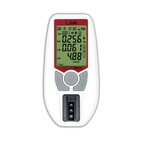
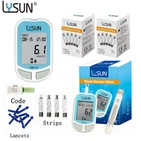
The Creatinine Meter is deigned for the quantitative testing creatinine concentration (CR) in capillary blood, venous whole blood, plasma and serum. The portable meter consists of a easy to operate system that analyzes the intensity and color of light reflected from the reagent area of a test strip, ensuring quick and accurate results. The features of the meter are as follows:
.Rapid Test
.Quick test in 300 seconds
.Portable
.Operate in a variety of environments
.Micro specimen
.Only a small amount of blood specimen is required
If a person is diagnosed with chronic kidney disease, there are several things to do: firstly, nephrotoxic medications that can damage the kidneys such as painkillers and antibiotics, must be avoided. Patients only can take medications approved by his doctor. Patients should drink enough water while avoiding alcoholic beverages. At the same time, the patient should control other factors that may affect the kidneys (e.g. high blood sugar and blood pressure)
As for everyone, we should do the followings to protect our kidneys in the daily life:
1.Learn about the symptoms appearing in the early stage of chronic kidney disease. Typical symptoms of early kidney disease include nausea, vomiting, swelling of feet and ankles, high blood pressure, foamy urine, haematuria, etc.
2.Regular physical examination. Healthy people take a physical examination once a year. If you have high blood pressure, diabetes, obesity and high uric acid, it is recommended to test urine and kidney function every three to six months. Besides, do not abuse drugs and stay away from heavy metals and poisons.
3.Do not hold urine. Holding back urine will cause urine to remain in the bladder for a long time, which will easily cause bacteria to multiply and infect the kidneys, and sever case can lead to pyelonephritis. So it is very important to intake enough water every day.
4.Control the weight. Carrying out gentle and low-intensity exercises such as jogging, gymnastics, and yoga can control sugar as well as help boost immunity and reduce inflammatory responses.