


As blood glucose monitoring becomes an essential part of diabetes management, the use of blood glucose meters at home is becoming increasingly popular. However, safe blood collection is critical to obtaining accurate readings. Here, we will discuss the steps to ensure safe blood collection for accurate monitoring of blood sugar levels.
Step 1: Wash Your Hands
The first step in safe blood collection is to wash your hands thoroughly with soap and water. This will ensure that your hands are free from any dirt or contaminants that can cause infection. Dry your hands thoroughly using a clean towel or cloth.
Step 2: Prepare Your Equipment
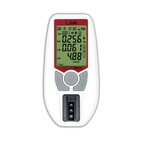
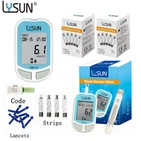
Prepare your blood glucose meter and lancet device as instructed by the manufacturer. Make sure all components are clean and sterile before use. Check the lancet device to ensure that it is properly loaded with lancets and that the depth setting is appropriate, so that you don't collect too much blood.
Step 3: Choose a Site for Blood Collection
Choose a site for blood collection that is clean and dry. The fingertip is the most commonly used site for blood collection. However, alternate sites such as the forearm or thigh can also be used. Be sure to use a different area each time to avoid scarring.
Step 4: Clean the Site
Before the blood collection, clean the chosen site with an alcohol swab and let it dry. This will prevent any bacteria present on the skin from entering the bloodstream and causing infection.
Step 5: Collect the Blood
Use the lancet device to puncture the skin and collect a small drop of blood. Do not squeeze the punctured site, as this can affect the accuracy of the blood glucose reading. Place the blood drop on the test strip as instructed by the manufacturer, and wait for the result to appear.
Step 6: Dispose of Equipment Safely
After collecting the blood, dispose of all equipment, including the lancet and test strip carefully. Place them in a sharps container or any other appropriate container for the safe disposal of medical waste.
In conclusion, monitoring blood sugar levels is essential for people with diabetes, but it requires safe blood collection. By following the steps outlined above, you can ensure that your blood glucose reading is accurate and avoid the risk of infection.