

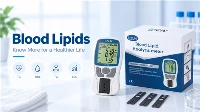


Blood lipid testing, also known as lipid profile testing, is an important diagnostic tool for determining the health of an individual's cardiovascular system, mainly related to cholesterol levels in the blood. This type of testing is essential for people who are at a higher risk of heart disease, such as those with a family history of high cholesterol or heart disease, those who are overweight or obese, and those who have high blood pressure or diabetes.
Some people may think that blood lipid testing is unnecessary because they feel healthy and have no visible symptoms of any disease. However, high cholesterol levels do not show symptoms until the damage is already done. Moreover, some people who have high cholesterol levels may not have any outward signs, which makes it difficult to detect without proper testing. Therefore, the best way to know if a person has elevated cholesterol levels is by conducting a blood lipid test.
Regular blood lipid testing can help to identify the early signs of heart disease, making it possible to take preventive measures. High cholesterol levels can cause arterial wall damage and increase the risk of development of clots, which can ultimately lead to heart attacks and stroke. Testing can identify these issues before they lead to serious health problems. It is a way to ensure the patient receives proper guidance on how to become healthier.
Lifestyle changes are typically the first step in lowering cholesterol levels, which often starts with diet and exercise. In instances where lifestyle changes are not enough, medication may be prescribed to help lower cholesterol levels to a more acceptable range.
In addition to helping diagnose and manage cholesterol levels, blood lipid testing can give insight into overall heart health. It can also help assess the risks of other diseases, such as diabetes, which has a close relationship with cholesterol levels.
In conclusion, blood lipid testing is a crucial tool in maintaining good cardiovascular health, and it should be an essential part of every individual's health plan. Regular testing can help identify elevated cholesterol levels and facilitate timely interventions. By making healthy lifestyle choices and following the advice of healthcare professionals, the risk of heart disease can be reduced, and longevity can be increased.