

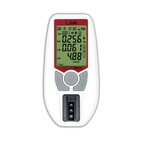
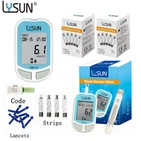

Blood lipid analyzers are essential medical tools used for measuring and monitoring blood lipid levels in patients. These sophisticated instruments employ advanced technology to produce accurate and reliable results, making them indispensable in cardiovascular disease diagnosis and treatment. This article will provide an overview of the functions and advantages of blood lipid analyzers.
Functions:
Blood lipid analyzers are used to measure and monitor the concentration of lipids in a patient's blood. These instruments are designed to detect and quantify the levels of total cholesterol, LDL cholesterol, HDL cholesterol, and triglycerides in the blood. The results obtained from these measurements can aid in making a diagnosis of lipid disorders and assessing a patient's risk of developing cardiovascular disease.
Blood lipid analyzers work by analyzing the level of light absorption caused by a sample of blood in a particular wavelength range. The level of absorption correlates to the concentration of specific lipids in the blood. The instrument records the level of absorption and converts it into an accurate numerical value that can be interpreted by healthcare professionals.
Advantages:
Blood lipid analyzers are advantageous in many ways. First, they provide rapid and accurate results, allowing healthcare professionals to make timely decisions regarding a patient's care. The results obtained from blood lipid analyzers are highly precise, reducing the likelihood of error or misinterpretation.
Another benefit of blood lipid analyzers is that they are easy to operate. Most modern instruments have user-friendly interfaces that healthcare professionals can quickly learn to use. This means that staff can be trained and up-to-speed very quickly, improving patient outcomes through quicker testing, analysis, and treatment.
Blood lipid analyzers are also cost-effective. They are less expensive than traditional laboratory testing methods and require less sample volume. This means that blood lipid analyzers can be used in smaller clinics and practices that may not have the resources to send samples out to external laboratories. Additionally, the costs of operating and maintaining a blood lipid analyzer are significantly lower than traditional laboratory methods.
Finally, blood lipid analyzers can aid in patient education. The results obtained from blood lipid analyzers can be used to educate patients on the importance of healthy lifestyle choices such as exercise and a healthy diet. Patients can use the results as a starting point for setting health goals and tracking progress.
Conclusion:
Blood lipid analyzers are an essential tool for measuring and monitoring blood lipid levels. They offer many advantages, including rapid and accurate results, user-friendliness, affordability, and patient education. Overall, blood lipid analyzers provide healthcare professionals with a reliable and convenient means of assessing and managing patients with lipid disorders.