

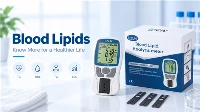


Hemoglobin analysers are important medical devices for diagnosing and monitoring blood-related diseases. They play a vital role in determining the oxygen-carrying capacity of red blood cells and identifying problems that affect haemoglobin concentration, such as anaemia or sickle cell disease.
1. Accurate results: Haemoglobin analysers are designed to provide a highly accurate measurement of the level of haemoglobin concentration in a blood sample. Doctors and medical professionals rely on these devices for accurate diagnosis and treatment planning.
2. Fast and easy to use: Haemoglobin analysers have evolved over time to become more user-friendly and intuitive. They can quickly analyse multiple samples and provide results almost immediately.
3. Durable: Haemoglobin analysers are designed to be robust and ideal for use in clinics and hospitals. They are rigorously tested to ensure they can withstand daily wear and tear.
4. Portable and Convenient: Portable haemoglobin analysers are readily available and can be carried by doctors and medical professionals to analyse blood samples on the go. This feature is especially beneficial in rural areas and developing countries where medical facilities may be limited.
5. Cost-effective: Having a reliable haemoglobin analyser can save healthcare facilities a lot of money in the long run. These devices reduce the need for repeat blood tests and hospital visits, making them an affordable option for clinics and hospitals.
A haemoglobin analyser can help healthcare professionals provide accurate and effective treatment to patients, which is essential for saving lives.