

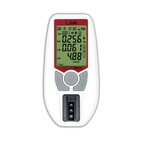


The dry chemistry analyzer is a sophisticated device that is used for the analysis of various chemical components in a wide range of samples. This analyzer offers a fast and accurate method of chemical analysis, without the need for wet chemical reagents or solvents. The term "dry" refers to the fact that this analyzer uses dry analytical reagent films or particles to perform chemical analysis.
The dry chemistry analyzer works by depositing a small amount of sample onto a dry chemical reagent film, which then undergoes a chemical reaction. The resulting product or change is then analyzed using various detection methods, such as colorimetry, fluorimetry, or electrochemical methods. The analyzer provides a quantitative or qualitative analysis of the chemical components in the sample, based on the specific reaction of the dry chemical reagent with the analyte.
One of the primary advantages of the dry chemistry analyzer is its speed and simplicity. The analysis can be performed quickly, often in a matter of minutes, without the need for time-consuming sample preparation or complex laboratory procedures. This makes the dry chemistry analyzer particularly useful in situations where fast analysis is critical, such as in emergency rooms, critical care units, or in field testing situations.
Another advantage of the dry chemistry analyzer is its portability and ease of use. The devices are typically small and lightweight, making them easy to transport and use in a wide range of settings. This portability allows for convenient testing at remote sites or in resource-limited environments, where traditional laboratory equipment may not be available.
Furthermore, the dry chemistry analyzer provides accurate and reliable results. The use of dry chemical reagents eliminates the potential for errors associated with the handling and storage of liquid reagents. The reagents are stable and can be stored for long periods without degradation, ensuring consistent performance over time.