

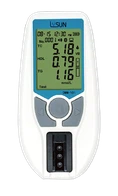

|
Product name |
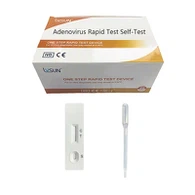
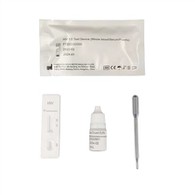
Toxo IgG/IgM Rapid Test Self-Test |
||||||
|
Item type |
TOX-W21-GM |
||||||
|
Specimens |
Whole blood/Plasma/Serum |
||||||
|
Packing Specification |
1 kit/ box, 5 kits / box, 25 kits/ box |
||||||
|
Size |
|
||||||
|
Shelf life |
2 year |
||||||
|
Test Time |
Waiting about 15 minutes |
||||||
|
Certificate |
CE, ISO:13485 |
||||||
|
OEM |
Acceptable |
||||||
|
Service condition |
The kit should be stored at 2-30°C |
Toxoplasma gondii, also known as Toxoplasma gondii, is an animal belonging to the family Botryocystidae in the order Eucoccidia. Toxoplasma gondii is a type of insect with a crescent like appearance that can invade the central nervous system of the human body.
The life cycle of Toxoplasma gondii includes both asexual and sexual stages, requiring two hosts. Sexual and asexual reproduction occurs in cats and feline animals, and asexual reproduction occurs in humans, mammals, birds, fish, and reptiles. Cats are both the ultimate host and intermediate host of Toxoplasma gondii; Human or other animals are intermediate hosts. Toxoplasma gondii parasitizes in the epithelial cells of the small intestine of feline animals, engages in sexual reproduction, and produces oocysts. The egg sac is excreted with feces and takes more than a day to complete sporulation and acquire infectivity. Mature egg sacs develop into tachyzoites and rapidly proliferate after being ingested by other mammals or birds.
Toxoplasma gondii can cause toxoplasmosis in humans. Congenital toxoplasmosis mainly damages the central nervous system of fetuses and can cause miscarriage, stillbirth, brain necrosis, hydrocephalus, and mental disorders. Children who can survive infection often experience intellectual disability and epilepsy due to congenital brain damage. Acquired toxoplasmosis generally has no obvious clinical symptoms in patients with complete immune function.